 image |  image_edited_edited |
|---|---|
 image |  image_edited |
 image |  image |
 image |  image |
 image_edited |
What is hip dysplasia?
Hip dysplasia refers to a hip socket that formed too shallow or angled incorrectly, it may have been diagnosed from infancy and not fully resolved even with treatment, or undetected in early childhood until it causes problems until later in life. Because the socket doesn't fully cover and support the ball of the femur, the joint bears weight unevenly, putting extra stress on the cartilage and the labrum, the ring of cartilage that lines the rim of the socket. This condition is more common in women and often affects both hips to some degree.
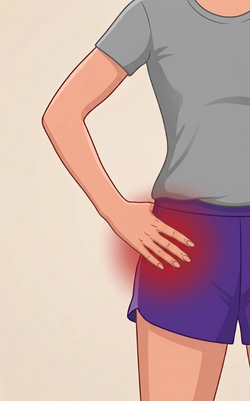
The most common symptoms are groin or lateral hip pain that worsens with activity like walking, running, or standing for long periods. Symptoms often first appear in the teenage years to thirties, sometimes triggered by a specific injury or simply by cumulative wear, and they can be mistaken for other causes of hip pain, diagnosis can be tricky and without appropriate imaging and workup dysplasia can me misdiagnosed as trochanteric bursitis, tendinopathy or impingement.
To diagnose hip dysplasia Liam combines a clinical history, clinical findings and X-rays findings, MRI is utilised to assess for any labral tears or early cartilage damage, but shouldn't be relied upon for making the diagnosis of dysplasia.
Treatment depends on severity and how much joint damage has already occurred. Most cases are often initially managed with physiotherapy to strengthen the muscles around the hip, activity modification, and anti-inflammatory medication for pain. If non operative measures don't improve symptoms, especially in younger patients without much arthritis yet, a surgery called periacetabular osteotomy (PAO) can reposition the socket to better cover the femoral head and slow or prevent future joint damage.
In cases where arthritis has already developed, a hip replacement may be the better option. The right approach depends heavily on age, activity level, and how far the joint damage has progressed. Liam will assist in guiding you through these decisions, and specialises in periacetabular osteotomy and hip replacement.